
Massage therapists see a lot of skin. All
colors, all textures. Freckles, scars, stretch marks, moles. Skin with lots of
hair and skin with none. Skin doesn’t surprise us.
Except when it does. That brown spot on your
shoulder blade? It wasn’t quite that big when you came in a month ago. And it
looks less like an oval and a little more like a blob. Maybe you should have
that checked out?
Skin, we love. Skin cancer? Not so much. Which is why you’re here on your massage
therapist’s website, reading about sun exposure. Because even though I’m not a
dermatologist and you’re not going to burn while getting a massage, your skin
is a friend I see regularly. And I want to be able to keep working with it for
many healthy years to come.
What happens when you get a sunburn?
You’re exposed to the sun and then your skin
turns red and itchy, right? Well, yes. But there’s more to it as well.

When you step out into the sunlight, you’re
immediately bombarded by UV radiation. This radiation causes mismatches in the
curlicue of your DNA in the nucleus of your skin cells, which is dangerous and
can lead to cancer. As soon as this starts to occur, your skin jumps into
protective action redistributing melanin, the pigment that causes suntans, and
which helps to protect your DNA from further damage.
But if you’re still outside and the damage
doesn’t stop (especially if you’re fair skinned and don’t have much melanin to
go around), you start to see an inflammatory response. This is the same kind of
inflammation that you see when you sprain your ankle, only spread out across
your damaged skin. Your blood vessels dilate to get more nutrients and
infection-fighting cells to your skin, making the it red and warm to the touch.
Itching and pain result, a warning signal from your body that something is
wrong. You may feel thirsty and tired as your body works to repair itself.
If the burn is bad enough, you’ll start to see
blisters as the plasma leaks from inside cells into the space between the
dermis (the bottom layer of skin) and the epidermis (the top layer). These
blisters form a cushion of fluid over your damaged tissue. (At this point, your
body has already written that top layer of skin off.)
Eventually, even if you didn’t have any
blisters, you will get flaking and peeling of the top layer of your skin.
Interestingly enough, these skin cells weren’t killed by UV radiation. When
skin cells recognize that their DNA has been severely damaged, they deliberately
die off rather than risk becoming cancerous. This planned cell death is called
apoptosis, and it’s the reason you see massive numbers of skin cells coming
loose at once.
So to be clear: all sunburns, no matter how mild, contain the beginning stages of skin
cancer. It’s only because our skin kills itself off before these cells go
haywire that we see as little skin cancer as we do. Even so, more than 5.4 million cases of non-melanoma skin cancer are
diagnosed in the US each year, and 1 in 5 Americans will
be diagnosed with skin cancer before the age of 70. UV radiation will play a
role in many of these cases.
How can you protect your skin?
The
short answer: Stay away from UV radiation. This means
tanning beds as well as sunlight.
The
longer answer: Unless you plan to become a vampire,
you will probably be exposed to sunlight at least some of the time. The trick
is to reduce that exposure to a safe level by seeking shade, wearing protective
clothing, and using sunscreen.
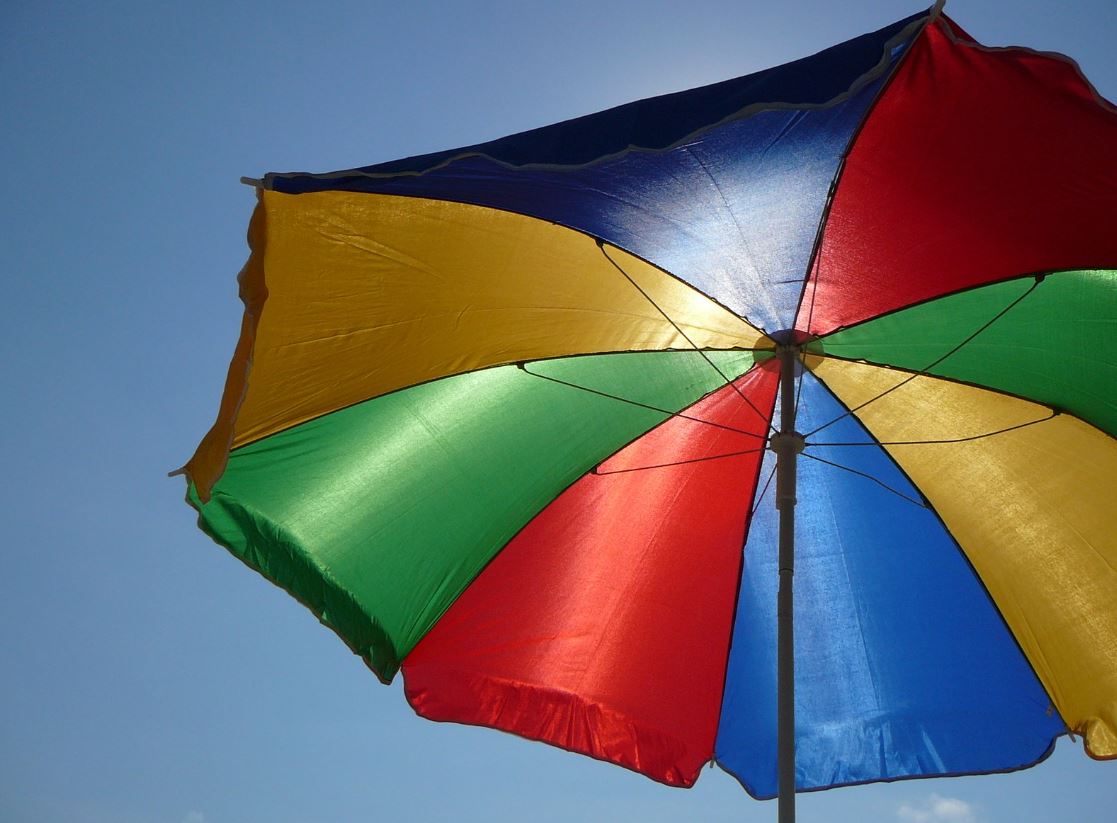
How much sun is safe?
This depends on two main variables: the UV
Index and your skin type.
UV Index
The UV Index is a measure of the level of UV
radiation in your location at any given point in time. It’s something you can
easily look up on your computer or phone before heading out the door. In
general, global UV Index recommendations look
something like this:
●
1-2: Low. Enjoy being outside!
●
3-7: Medium. Seek shade at midday, put on a
shirt and hat, wear sunscreen.
●
8+: High. Stay indoors at midday, seek shade
as much as possible, sunscreen is an absolute must.
Skin type
With the exception of people with albinism,
everyone has some melanin in their skin. Those with more of the protective
pigmentation are less susceptible to DNA damage in their skin cells from UV
radiation than those with less.
●
Type I: Very pale, burns quickly, never tans.
●
Type II: Pale, burns easily, rarely tans
●
Type III: Burns moderately, tans over time to
light brown
●
Type IV: Burns minimally, tans to medium brown
●
Type V: Rarely burns, tans to dark brown.
●
Type VI: Never burns, rarely tans, deeply
pigmented skin.
People with Type I skin can burn after as
little as five or ten minutes, while those with Type VI skin can sometimes be
outside for an hour without damage.
Note: You might have seen a skin
type scale that goes from I-IV, especially if you are looking in an older
medical textbook. That’s because the original Fitzpatrick scale was made in the
1970s for white people. This is the same scale, but expanded to include
everybody.
Is sunscreen safe?
A 2001 study raised concerns that oxybenzone
(the chemical that makes most sunscreens so effective) might impact hormones.
In this study, rats fed large doses of oxybenzone developed enlarged uteruses.
Studies in humans haven’t been conclusive. What we know for sure is that, if
you’re a rat, you shouldn’t drink sunscreen.
Some pediatricians recommend sticking to
mineral-based sunscreens for infants and very young children just in case,
until long-term studies are concluded over the next twenty or so years. But
these are thick and need to be reapplied regularly. If your children are
experiencing sunburns with mineral-based sunscreens, they are being put in
significantly more danger than any potential hazard from oxybenzone.

What about vitamin D?
Yup, you need vitamin D in your body to stay
health. And yes, your skin manufactures vitamin D in response to UV radiation.
(People with lighter skin types make more vitamin D with less sun exposure than
people with darker skin types.) So shouldn’t you go without sun protection
sometimes for the nutritional benefits?
Luckily, there are a number of sources of
vitamin D that don’t also cause skin cancer. Fish, mushrooms, eggs, and
fortified dairy products are all excellent sources. And if you’re a
tremendously picky eater, there are also vitamin D supplements you can take.
For the severely deficient (diagnosed with a simple blood test), there are
high-dose supplements or injections your physician can prescribe.
Caring about your skin isn’t about vanity.
It’s a critical organ, like any other. In
fact, your skin is the largest organ in (on) your body! If you exercise for
your heart and quit smoking for your lungs, then preventing sunburns is just
another healthy habit.
Massage therapists love skin. We work with it
on a daily basis and appreciate all it does to keep your insides in and your
outsides out. It keeps you cool, it tells you what’s around you, it prevents
infections and repairs itself at a remarkable rate. So take care of it!
And maybe bring it in for a massage.

